Zemper, as a part of FW Thorpe Plc Group, has set a target to reach net-zero greenhouse gas (GHG) emissions by 2040, ten years before the UK government’s 2050 net-zero target.To reduce its environmental impact, the Group calculated its entire carbon footprint, including upstream and downstream activities (for example, in its supplier and customer relationships) in 2021.
From this, FW Thorpe Plc developed its carbon emission reduction plan, setting science-based net-zero targets consistent with limiting global temperature rise to 1.5°C.The Group has had its net-zero target validated by the Science Based Targets initiative (SBTi) under the Net-Zero Standard. FW Thorpe Plc will report the progress against the published targets on an annual basis along with its companywide GHG emissions inventory.

By assessing our carbon impact and setting science-based targets in line with the Paris Agreement on climate change, our goal is to further and significantly reduce our impact by the near-term target of 2030 followed by ultimately reaching net-zero greenhouse gas (GHG) status by 2040, well before the UK’s target for achieving net-zero carbon emissions by 2050.
Michael Allcock
Chairman, FW Thorpe Plc
Near-term target
FW Thorpe Plc commits to reduce absolute scope 1 and 2 GHG emissions 57.5% by FY2030 from a FY2021 base year. FW Thorpe Plc also commits to reduce absolute scope 3 GHG emissions 25% within the same timeframe.
Long-term target
FW Thorpe Plc commits to reduce absolute scope 1 and 2 GHG emissions 90% by FY2040 from a FY2021 base year. FW Thorpe Plc also commits to reduce absolute scope 3 GHG emissions 90% within the same timeframe.
For many years, sustainability and concern for the environment have been at the core of FW Thorpe Group Lighting’s business philosophy. The company is committed to doing the right thing for its people and the planet and enabling change. It has worked hard to reduce its environmental impact.
FW Thorpe Group is committed to helping create a brighter, greener, and more prosperous future. FW Thorpe Group began its sustainability journey in the early 1990s, recognising the benefits of energy efficiency, lower emissions and long product life.
By merging cutting-edge lighting technology with a commitment to minimising environmental impact, the company seeks to be a leader in responsible and efficient lighting solutions.
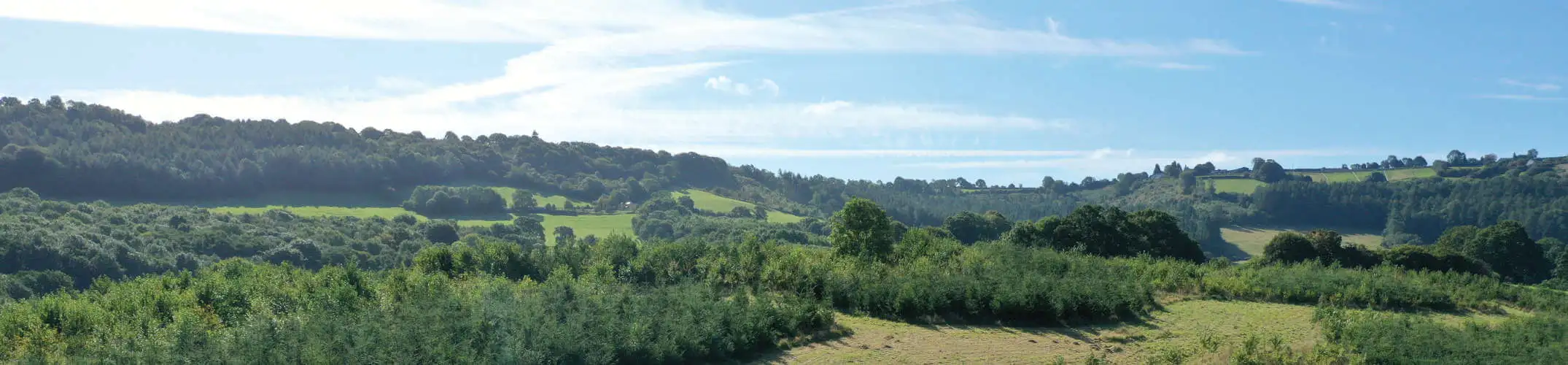
Being carbon neutral means that FW Thorpe Group offsets the carbon dioxide emissions it generates through its business activi7ties (see Scopes 1 and 2 of the Greenhouse Gas Protocol).
FW Thorpe Group is a carbon-neutral company through a combination of measures. Company-wide initiatives such as energy use minimisation, self-generation of renewable energy through solar photovoltaic (PV) units, and procurement of renewable energy have reduced FW Thorpe Group’s carbon footprint, whilst trees in its award-winning carbon offsetting afforestation project sequester the remaining carbon dioxide produced.
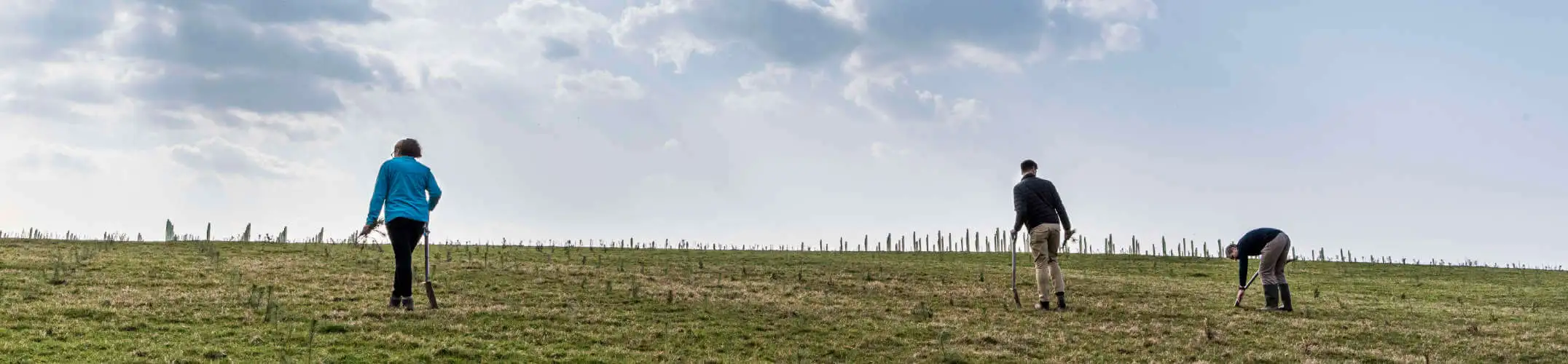
In 2009, FW Thorpe Group purchased 215 acres of farmland in Devauden, Wales. To date, it has planted 179,412 trees for carbon sequestration. Based on calculated emissions, an independent third party has confirmed that FW Thorpe Group has planted enough trees to have been carbon neutral since 2012.
The carbon capture tree-planting scheme (quality-assured by the government-backed Woodland Carbon Code) is independently certified to ISO 14064-3 and ISO 14065 standards. The Woodland Carbon Code is an independent standard devised by a group led by the UK Forestry Commission that certifies woodland creation projects that accurately measure how much carbon is captured and stored.
After completing the woodland project in Wales, FW Thorpe Group recently purchased 195 acres of land in Herefordshire for its second woodland creation project. The land has significant potential for connecting existing woods for biodiversity and landscape enhancement, as well as providing enjoyable recreational areas for local residents.
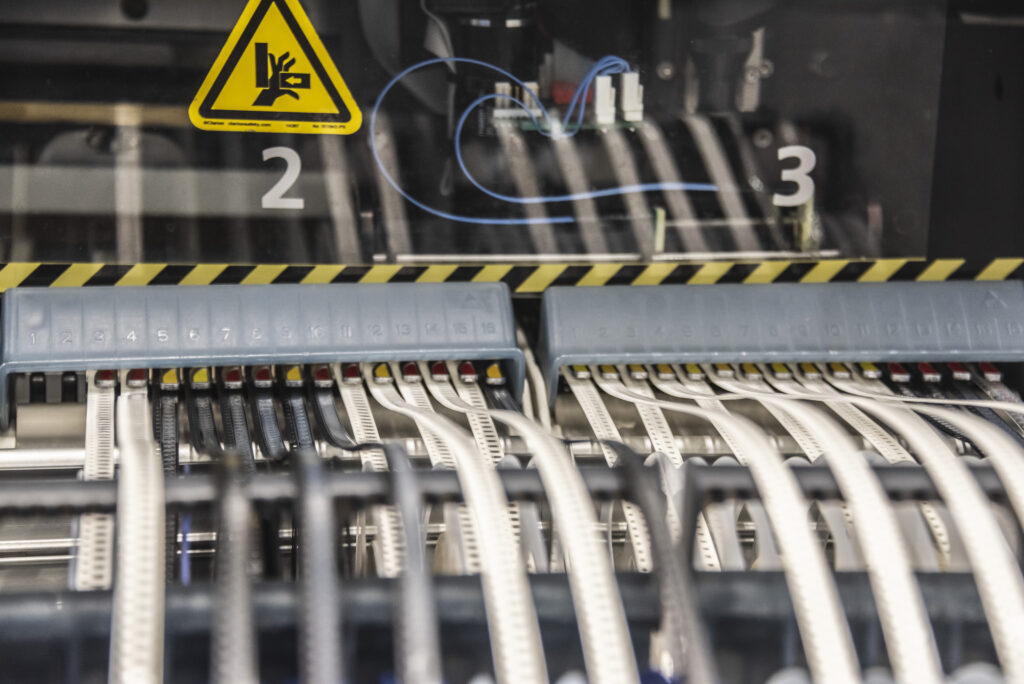
Zemper is an enabler in the global transition to a low-carbon economy through the products it manufactures and sells. The company’s approach has always been to provide highly efficient, long-lasting and reliable luminaires that can be easily maintained and serviced.
Product efficiency and optical control of light are vital, and when combined with the SmartZ® lighting management system, they ensure the objective of ‘right light, in the right place, at the right time’ is achieved, helping our customers reduce their through-life costs and carbon emissions.
The circular economy and the reduction of embodied carbon are key pillars in the specification and development of new products.
Principles of the circular economy
Every item bought or sold comes from raw materials extracted from the Earth; manufacturers turn these materials into products, and eventually, they are discarded as waste. This linear process drains the planet’s finite resources while generating significant waste and emissions.
An alternative model is to become less linear and more circular. This means considering a product’s lifetime and maintainability as well as the possibility to reuse, refurbish or even remanufacture once the product’s initial use comes to an end. This circular approach captures and keeps materials in use at their highest value. This idea has been evolving since the 1980s; it aims to minimise waste and pollution by optimising the value and use of resources.
The linear approach of creation, consumption, and disposal is not sustainable. Circularity is a strategy to increase sustainability, reduce waste and maximise the reuse of materials.
Zemper is committed to designing and manufacturing sustainable products that incorporate circular economy principles.
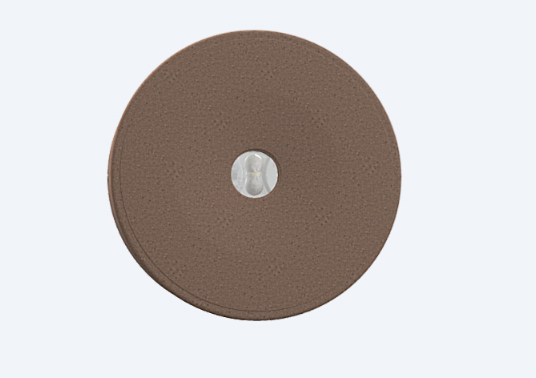
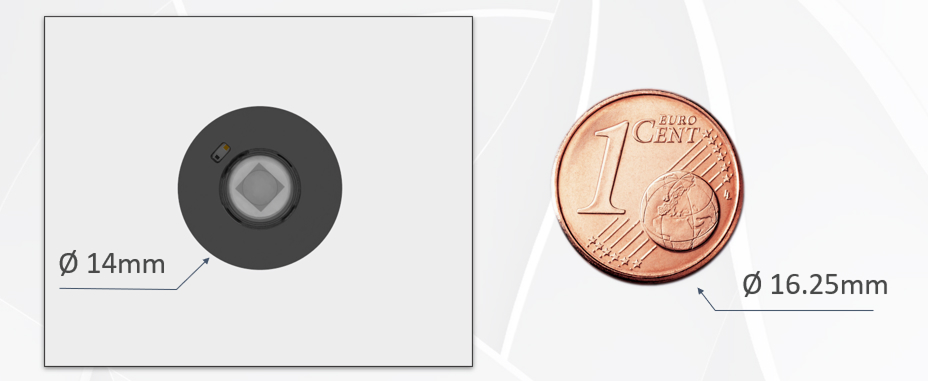
Maximising material utilisation is crucial for achieving circular economy goals, including eliminating waste wherever possible.As part of its ecodesign approach, Zemper considers this at every stage of its process, from luminaire design and development through to manufacturing.
Zemper selects the materials used in its luminaires with sustainability in mind. For example, sheet steel is ideal for providing a long and reliable lifetime and is fully recyclable. Zemper uses a wide variety of different materials selected to meet product and application criteria. In all cases consideration is given to the environmental impact at creation, the recycled content, selecting highest grades of recycled content where possible and the ability to recycle once end of life is reached. Further consideration is given to minimising waste. For example, during the design phase by selecting a suitably sized sheet of steel and optimising the component layout to maximise utilisation. Often, ‘waste’ cutout material is used to manufacture accompanying components, with cuttings nested one within the other. This utilises as much of the material as possible.
Embodied carbon refers to the total amount of greenhouse gas emissions associated with the production, transportation, and disposal of materials used in the construction, manufacturing, or operation of a product, building, or infrastructure over its entire life cycle. This includes emissions from processes such as raw material extraction, manufacturing, transportation, construction, maintenance, and end-of-life disposal.
Measured in kg CO₂e of GWP (kg of carbon dioxide equivalent of global warming potential), around 1 in 10 tonnes of the Spain’s total greenhouse gas emissions are so-called “embodied carbon” emissions, related to the production and use of construction materials. They total 64 million tonnes CO₂e per year, more than the country’s aviation and shipping emissions combined.
Embodied Carbon can account for up to 40% of the total GHG emissions generated in a building’s lifetime. Yet, historically, embodied carbon has been overlooked for reasons such as a high focus on operational carbon, a lack of awareness and regulation around the subject, fragmented supply chains, and cost being the main driving factor of projects.
However, within the lighting industry and wider construction industry there has been a growing recognition of the importance of embodied carbon in achieving sustainability goals. Efforts to raise awareness, develop standardised assessment methods, and implement policies and incentives to address embodied carbon are helping to shift the industry toward more sustainable practices.

Working closely with its material suppliers, Zemper is determined to reduce the embodied carbon of its luminaires, re-localising material sources and eliminating carbon-heavy transport methods like air freight.
Zemper is taking steps to reduce embodied carbon in its products, including using low-carbon alternative materials – either direct replacements (i.e. low-carbon versions of the same material) or completely different materials such as cork or bio plastics.
By using life cycle analysis assessment tools, embodied carbon benchmarking and accounting is carried out to assess either the complete luminaire, or certain components used.
Many of Zemper’s operational improvements have already helped to reduce embodied carbon. These include switching to 100% renewable energy and decreasing reliance on gas. Zemper will continue investing in more energy-efficient manufacturing methods and machinery, with further energy conservation projects.
Zemper is proud to manufacture 99% of its luminaires at its Ciudad Real, Spain facility. With complete control over the manufacturing process, Zemper can minimise negative environmental impacts while conserving energy and natural resources. A investment has allowed the business to modernise its manufacturing capability whilst increasing efficiency.
The company constantly challenges itself to find new ways to reduce waste through cumulative process improvements. For example, it is working to reduce and eliminate single-use plastics, as well as streamlining and optimising many of its operations throughout the facility.
Zemper is committed to reducing its Scope 1 greenhouse gas emissions by 33%. Scope 1 emissions are direct emissions from sources owned or controlled by the company, such as on-site fuel combustion for heating. This reduction is being achieved by progressively eliminating gas boilers and replacing them with aerothermal heating systems, significantly reducing direct emissions while improving energy efficiency at the manufacturing facility.
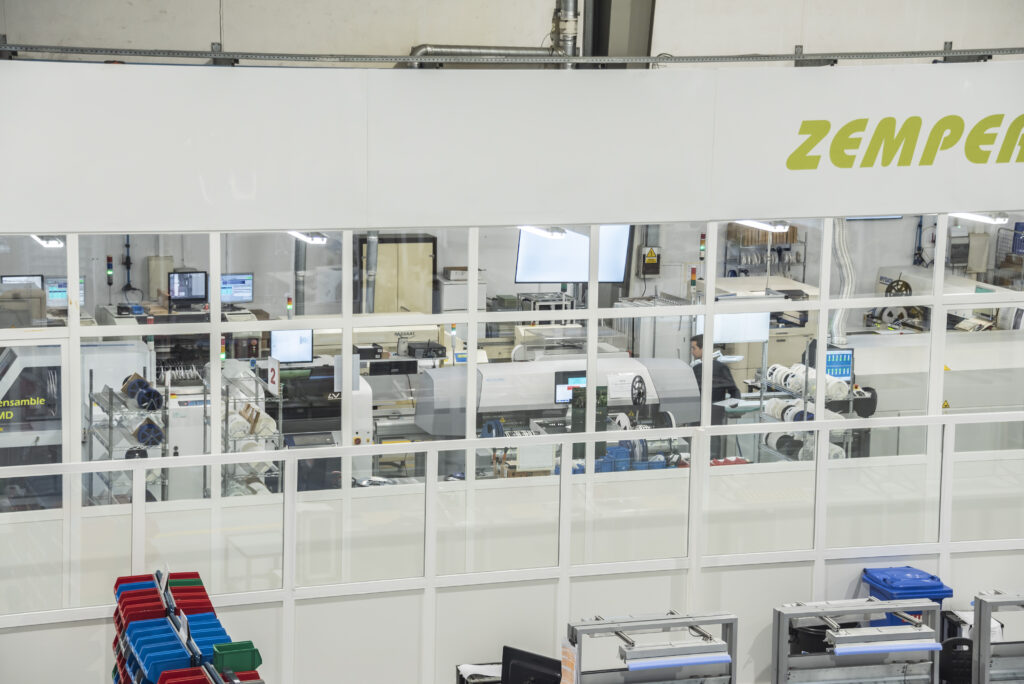
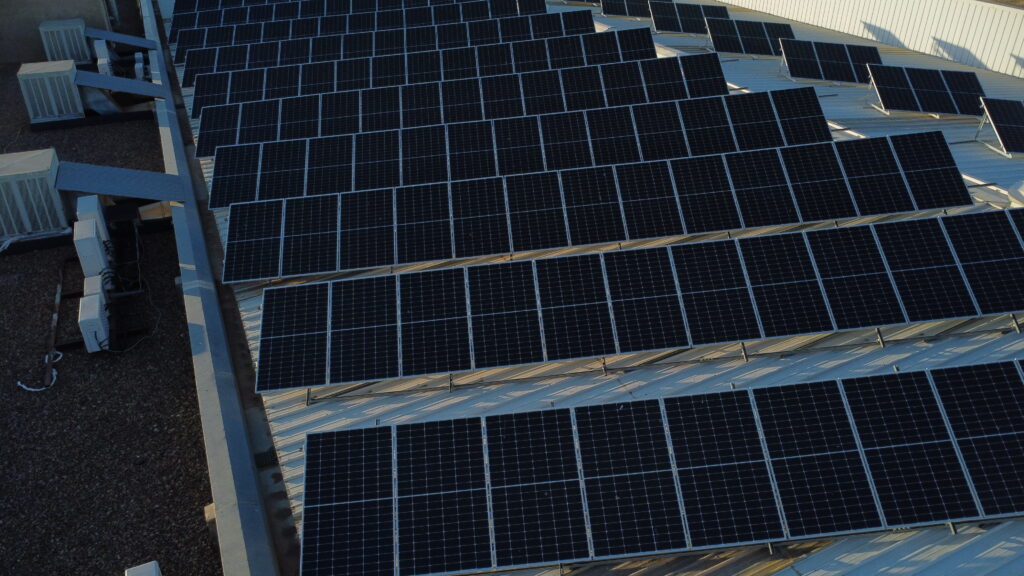
As part of its carbon reduction strategy, Zemper has installed a photovoltaic (PV) solar energy system at its manufacturing facility.
Zemper’s original solar installation was commissioned in 2020, with 144 photovoltaic panels generating approximately 107 MWh of electricity per year. In 2024, the system was significantly expanded to a total of 354 panels, increasing annual production to 262 MWh.
Today, energy generated by Zemper’s solar PV system covers 30.7% of the company’s total electricity consumption. The remaining electricity demand is supplied from the grid but is fully certified as coming from renewable energy sources. As a result, CO₂ emissions associated with electricity consumption are zero.
This means that Zemper’s factory and offices operate using 100% renewable electricity.
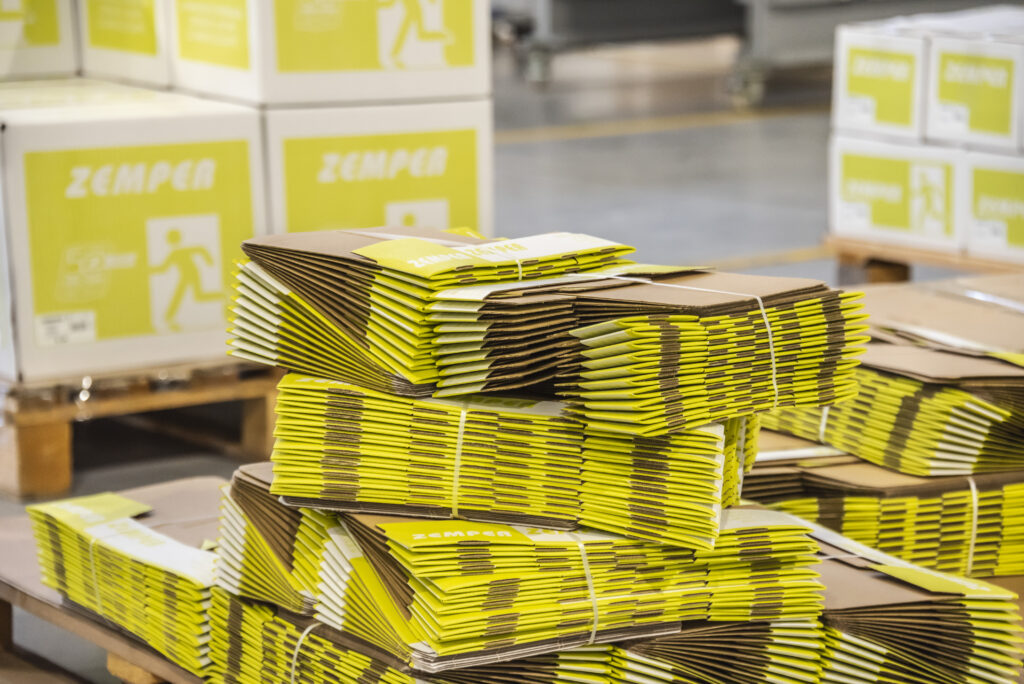
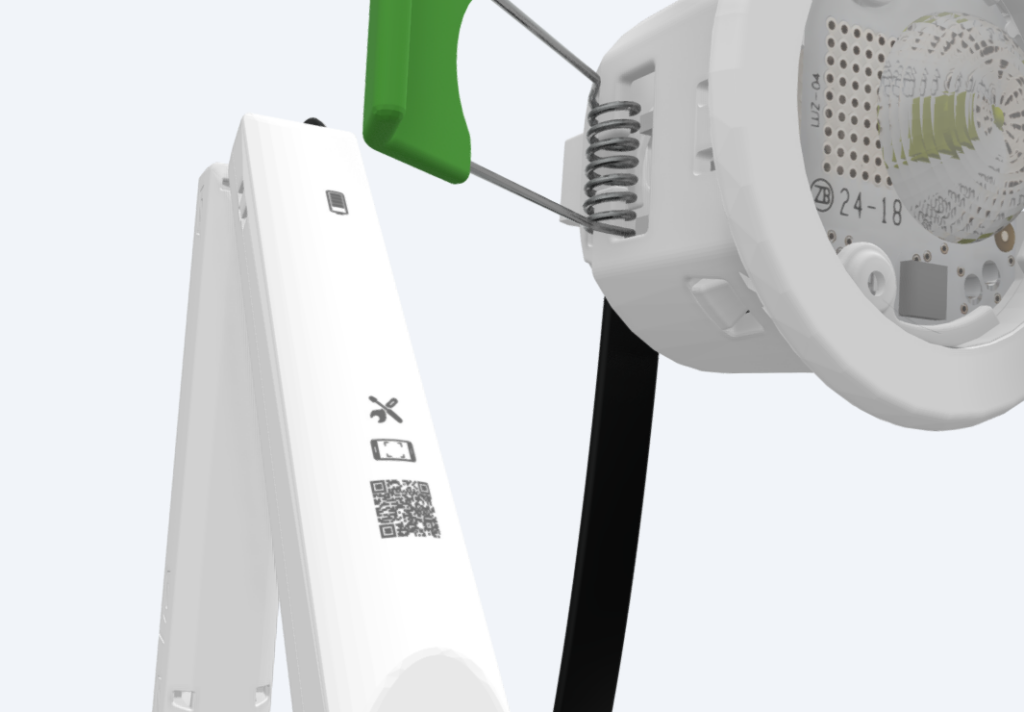
While full digital installation guides are not permitted under European legislation, Zemper has significantly reduced printed documentation by more than 50%, providing only the minimum content required by regulation. All additional installation and technical information is made available via a QR code included in the instructions.
In parallel, Zemper has eliminated approximately 80% of the paper used in production orders by fully digitalising its manufacturing workflows, further reducing paper consumption across its operations.
Zemper ensures that all its waste, both hazardous and non-hazardous, is managed through an authorised waste treatment partner in full compliance with European regulations.
This partner manages waste not only for storage, but also for recycling and energy recovery. As a result, only 4% of the total waste generated by Zemper is sent to final disposal, with the remaining 96% being recovered or recycled.
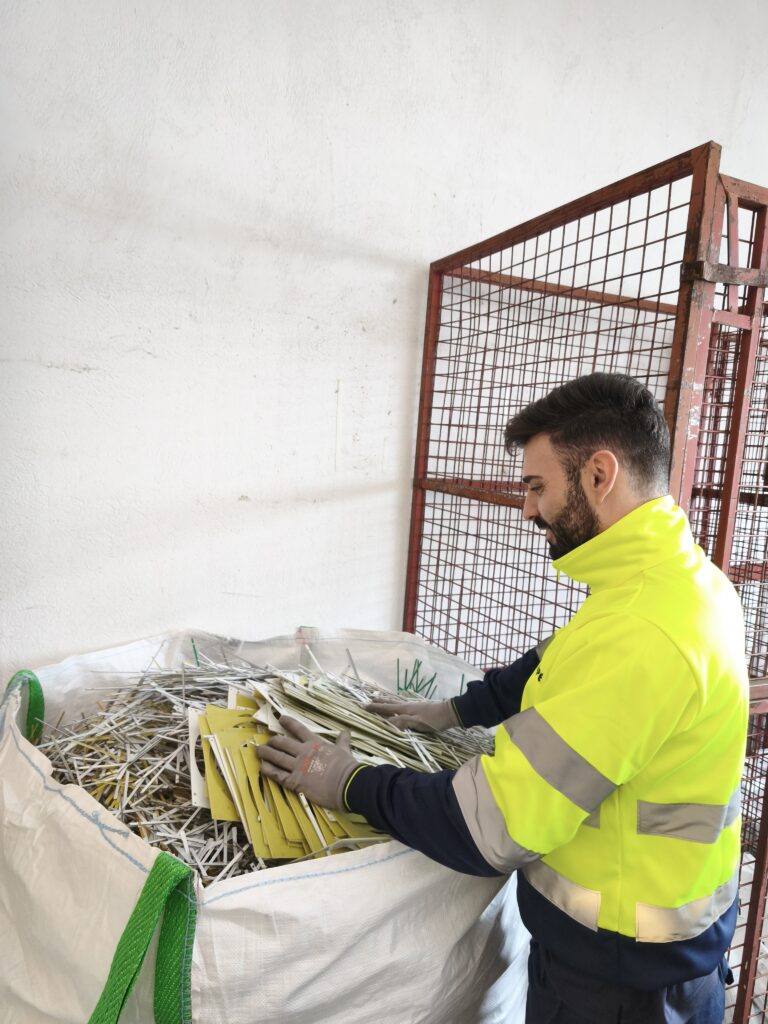
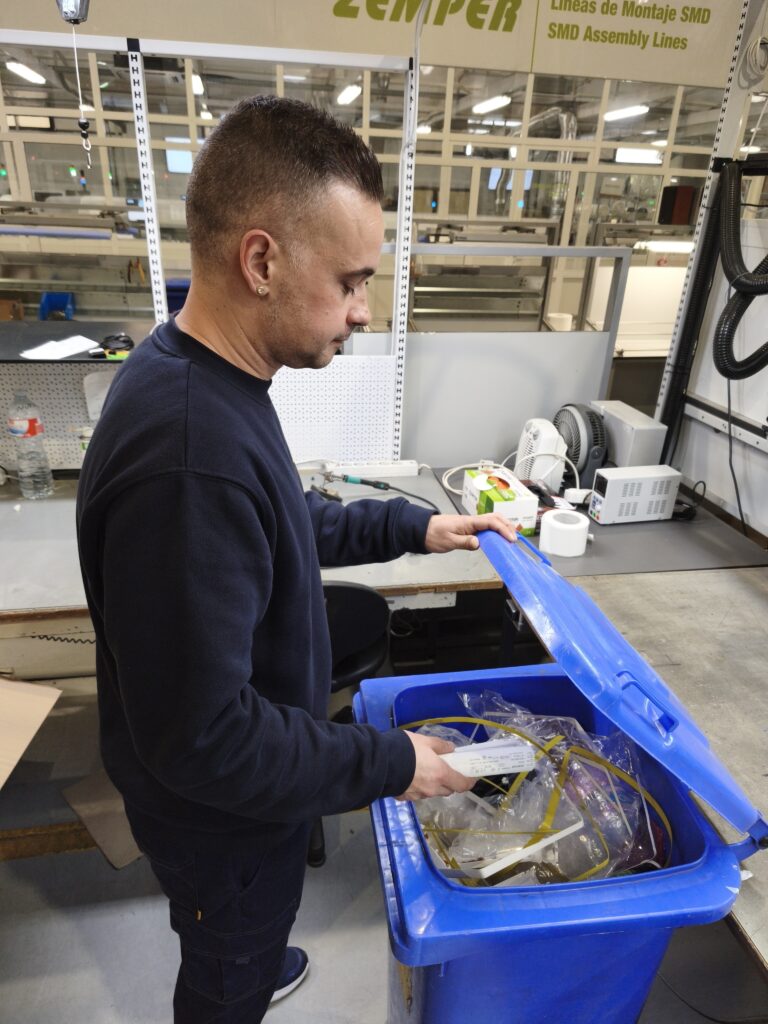
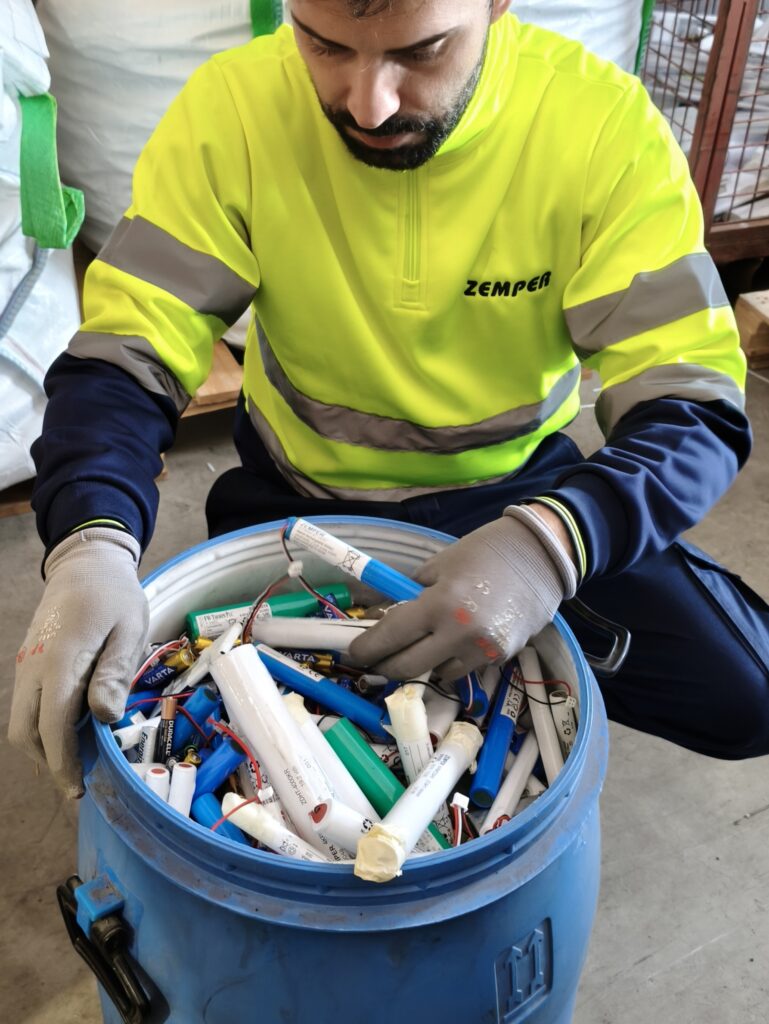
This partner manages waste not only for storage, but also for recycling and energy recovery. As a result, only 4% of the total waste generated by Zemper is sent to final disposal, with the remaining 96% being recovered or recycled.
At Zemper, our management system mindset drives a strong commitment to continuous improvement across both our processes and the ways we achieve them. This approach encourages the involvement of all Zemper employees, fostering a culture where ideas and initiatives to improve sustainability are actively proposed and developed.
In March 2026, Zemper will publish its first Sustainability Report, reinforcing this commitment to continuous improvement by transparently sharing achieved progress as well as clearly defined objectives to further advance sustainability performance.
From an environmental perspective, the greatest impact of an emergency luminaire occurs during its operational phase — specifically in the amount of energy it consumes. Although emergency luminaires remain in standby mode for most of their lifetime, continuous battery charging cycles are required due to the constant micro-consumption of the control electronics.
Zemper continuously strives to achieve maximum energy efficiency across its emergency lighting portfolio. By prioritising high-performance LED technology and optimised battery charge management, we significantly reduce energy consumption during both charging and standby operation.
Zemper was a pioneer in implementing energy-saving controls, initially through the integration of lithium batteries across the entire product range — from high-volume luminaires to advanced systems — combined with an optimised charging process. This approach not only extends battery lifespan but also minimises energy consumption to the lowest possible levels.
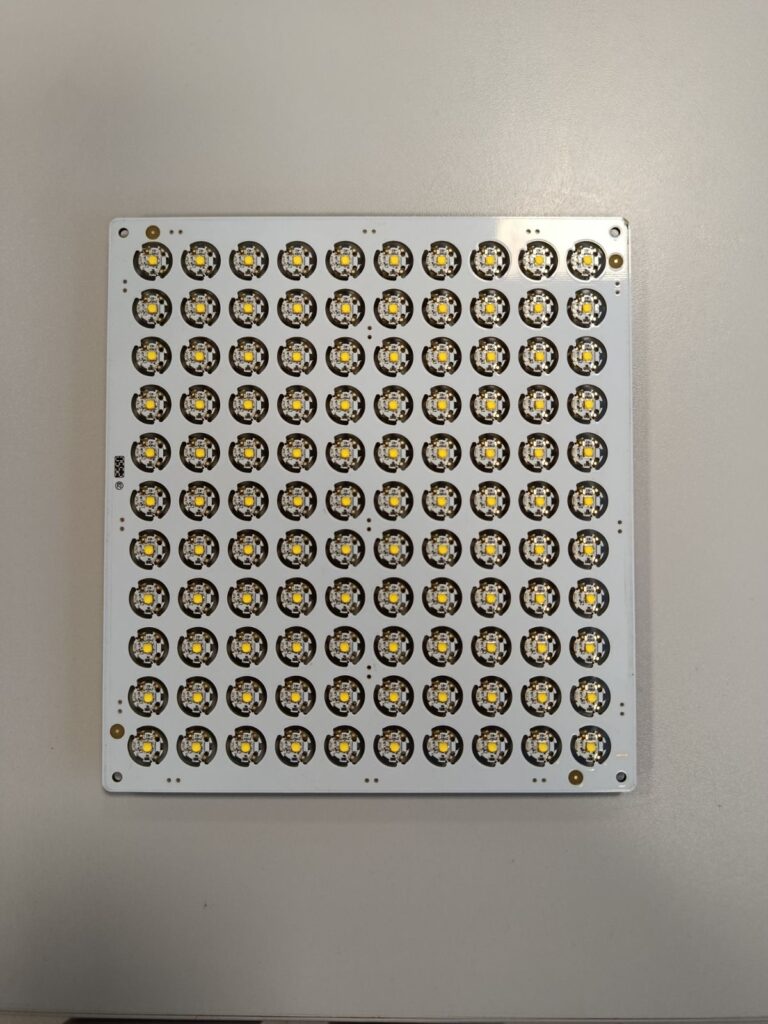
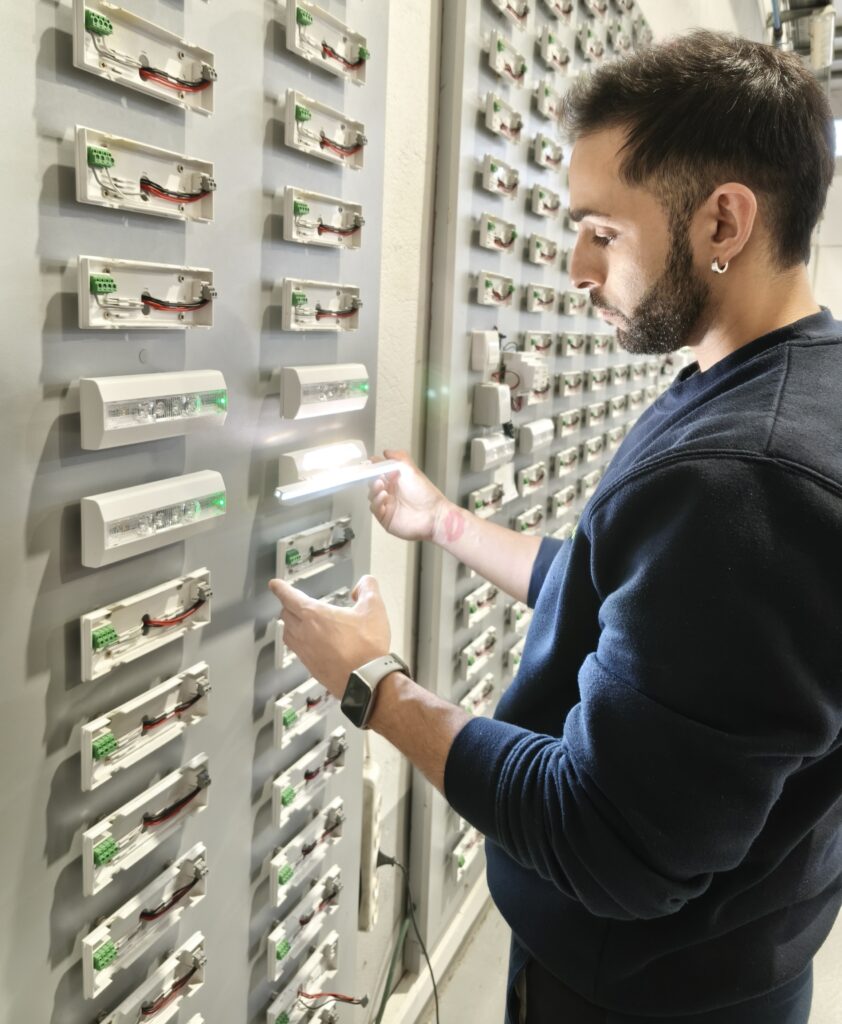
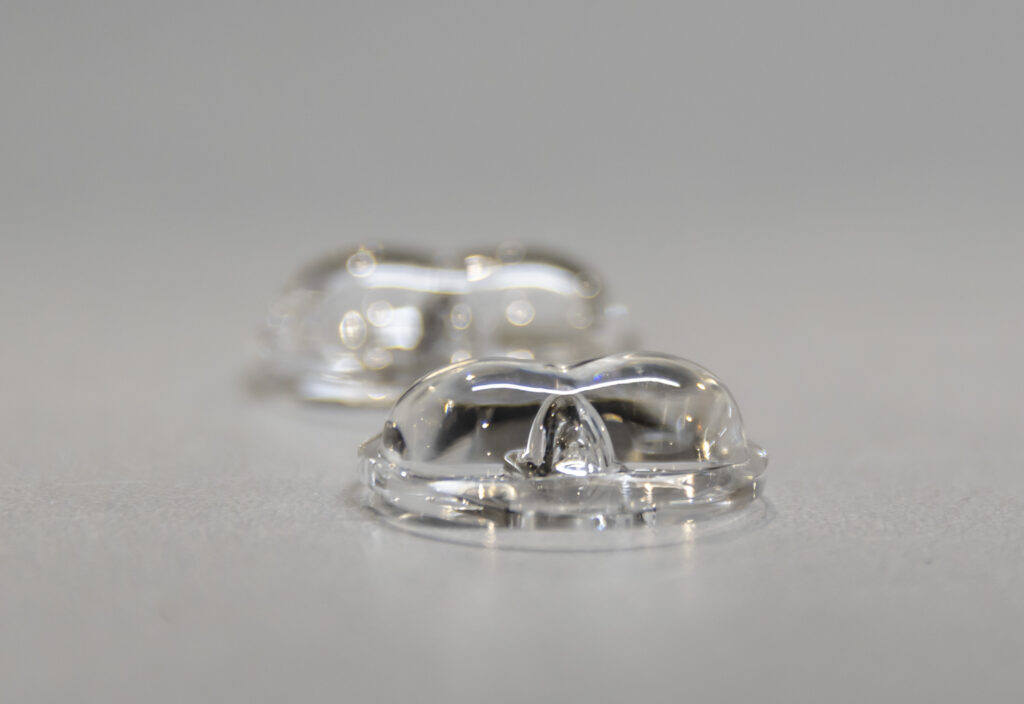
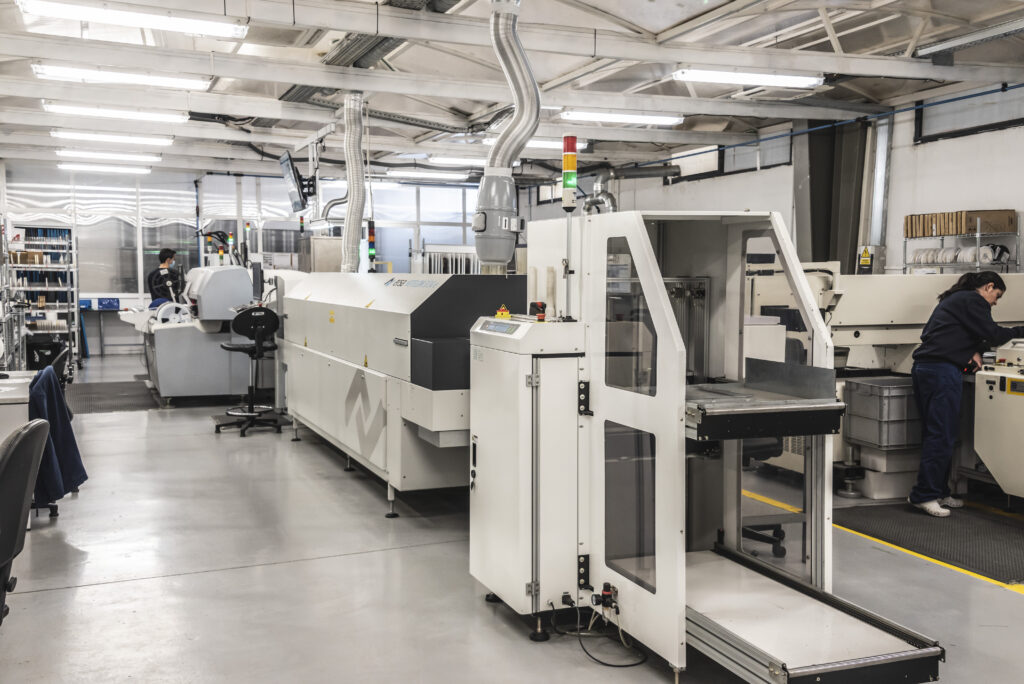
Zemper has made substantial investments in LED technology, including PCB design, proprietary software development, thermal modelling and advanced optical lens engineering.
This integrated approach ensures optimal luminous performance with minimal energy consumption and negligible parasitic losses. The use of high-quality, latest-generation LEDs — selected according to strict criteria such as colour rendering, luminous flux stability and thermal reliability — guarantees outstanding luminous efficacy and extended service life across the Zemper range.
True sustainability is not only about recycling — it is about eliminating waste from the design stage. SmartZ® redefines emergency lighting management through a wireless architecture that removes the need for kilometres of additional cabling and copper during installation.
Its intelligent system design delivers further environmental benefits:
SmartZ® not only safeguards people — it safeguards building resources throughout the entire system lifecycle.
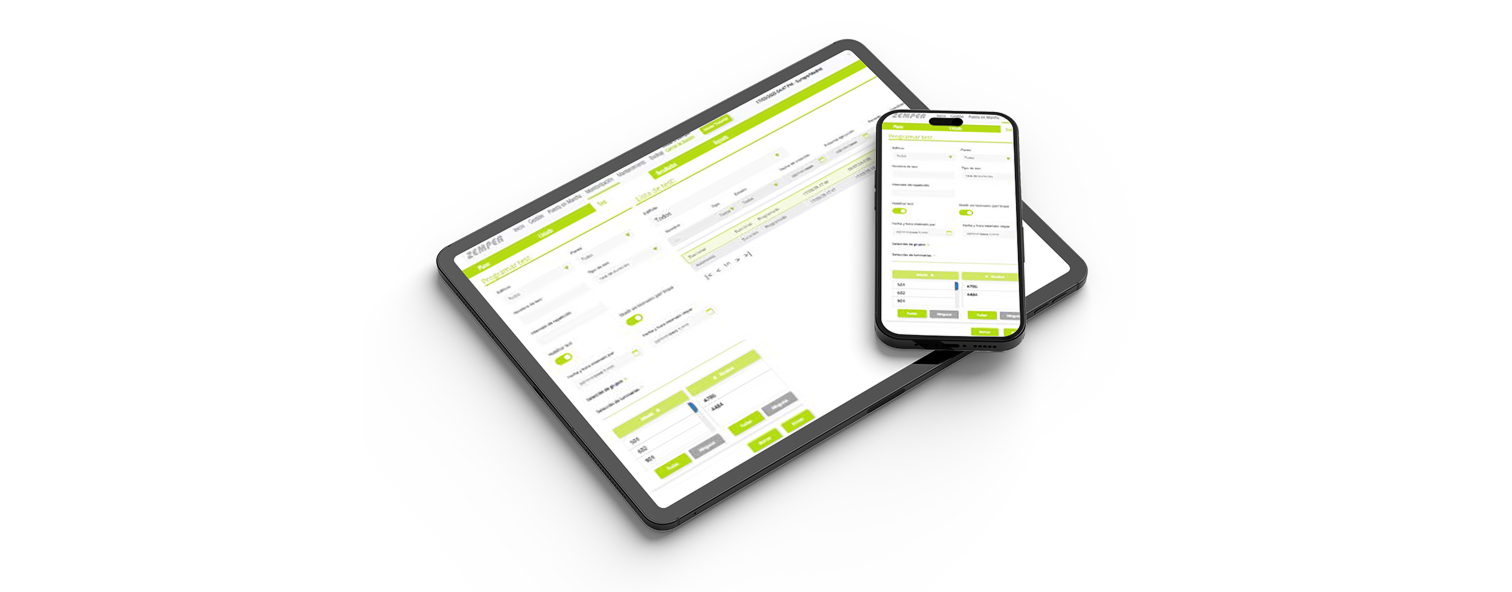
High international standards of sustainability, quality, and safety endorse our commitment to people, the environment, and sustainable development.
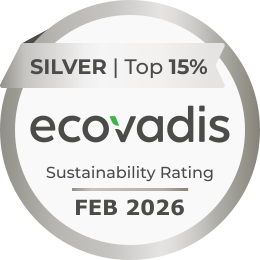
The global benchmark in corporate sustainability ratings.
Certification that guarantees quality, compliance and a real commitment to sustainability.
Ensures that Zemper measures and reduces its environmental impact and complies with environmental regulations.
Establishes requirements for a health and safety management system, ensuring safe and healthy working conditions for Zemper’s team.
Compiles international best practices and recommendations for social responsibility.
Ensures that Zemper integrates social, environmental, and ethical criteria into its purchasing processes, promoting a responsible and sustainable supply chain.
Certifies that the company has measured and verified its greenhouse gas (GHG) emissions in accordance with international standards, covering everything from manufacturing to sales of its products.
Verified environmental statement that provides transparency on the impact of the product throughout its life cycle.
Guarantee of compliance, quality and lower environmental impact of the product.
Certification issued by an independent body, serving as a tool to recognize the ecological quality of a product.